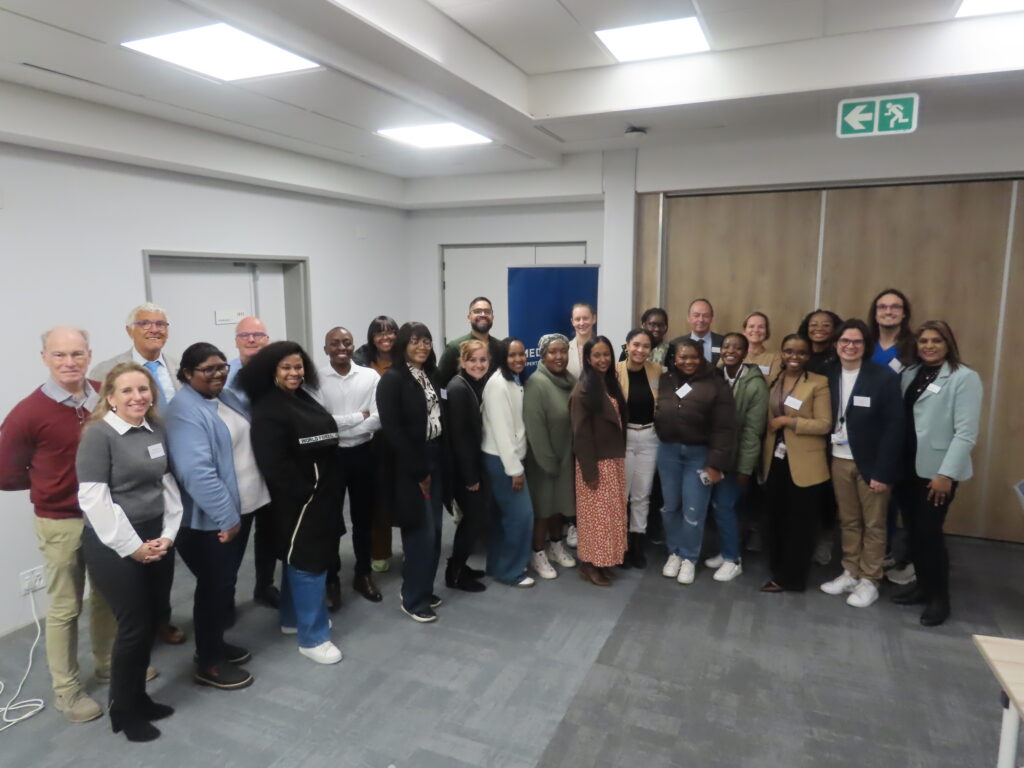
Cape Town, South Africa:
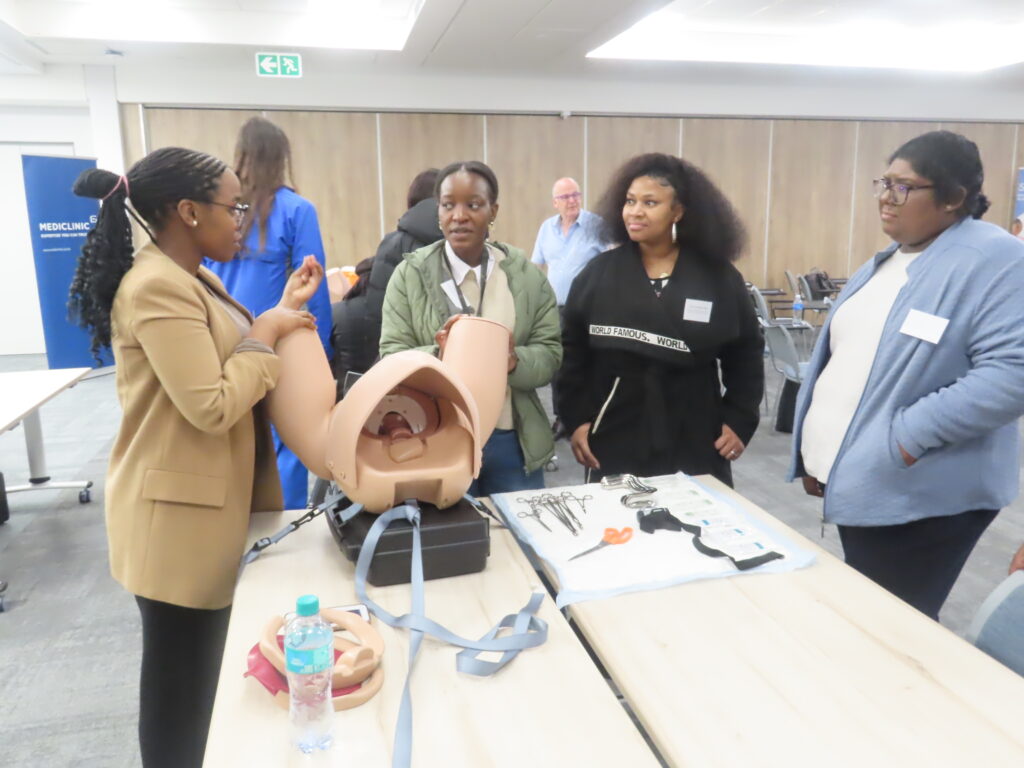 Preterm birth remains the leading cause of neonatal death worldwide, with 13.4 million babies born too soon in 2020. Sub-Saharan Africa carries the heaviest burden, with nine of the eleven countries most affected located in the region. Against this backdrop, clinicians and researchers gathered at Tygerberg Hospital for the Preterm Birth Prevention and Cerclage Workshop, led by Professor Andrew Shennan of King’s College London and CRIBS Global, alongside maternal-fetal medicine experts including Professor Cathy Cluver and Emeritus Professor David Hall from Stellenbosch University
Cerclage is a surgical stitch placed in the cervix to prevent premature birth; it is one of the few interventions that can change outcomes. Yet, as Professor Shennan noted, “The evidence base is weak, and practice varies widely. Technique does matter.” Without standardised training, outcomes remain inconsistent, and many women receive stitches that make little difference. In carefully selected cases, however, cerclage can be life-saving.
Simulation Training: A Critical Step Forward
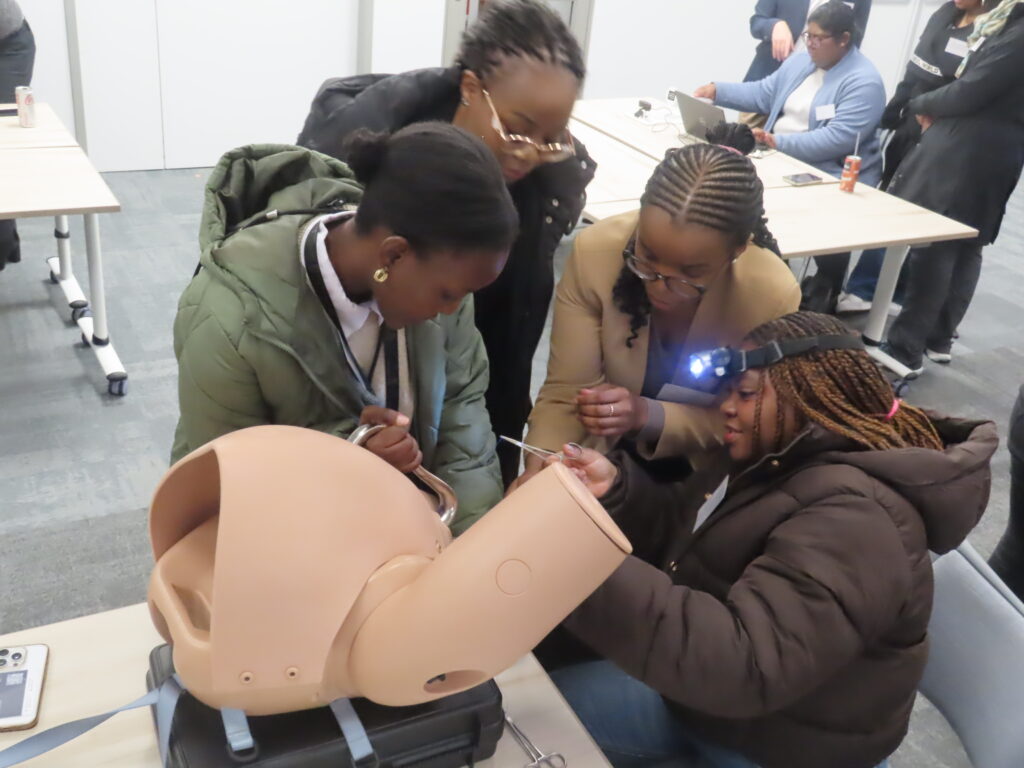 To address this variability, simulation models developed by Dr Graham Tydeman and Professor Shennan were introduced at the workshop. These models allow clinicians to practice stitch placement, knot security, and tension control in a safe environment. By standardising technique, simulation reduces errors and builds confidence, ensuring that cerclage is performed optimally when indicated.
“Knowledge that is hoarded is knowledge wasted. An expert who does not teach is a bottleneck,” reflected Dr Thomas Janse van Rensburg, the facilitator of the workshop and Chair of the South African Association of Trainees in Obstetrics & Gynaecology (SAATOG). Simulation training breaks this bottleneck, democratizing expertise and enabling clinicians across diverse settings to access best practices.
Feedback from workshop participants.
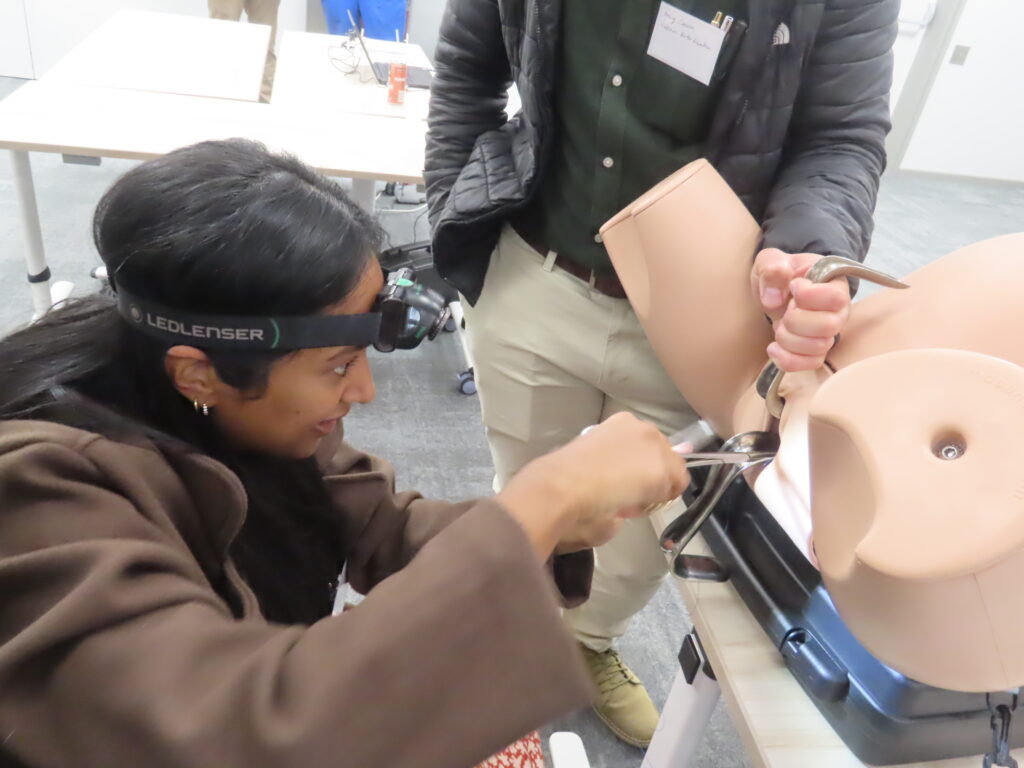 Participants advocated for the use of surgical simulators and training facilities to enhance the education of junior medical officers and registrars. They shared how current training often involves learning on pregnant patients, which can be risky and they described a lack of practical experience. They expressed how using simulators such as the ones used in this workshop, medical professionals can safely practice procedures before encountering real patients, thereby gaining confidence and the ability to identify and improve their skills.
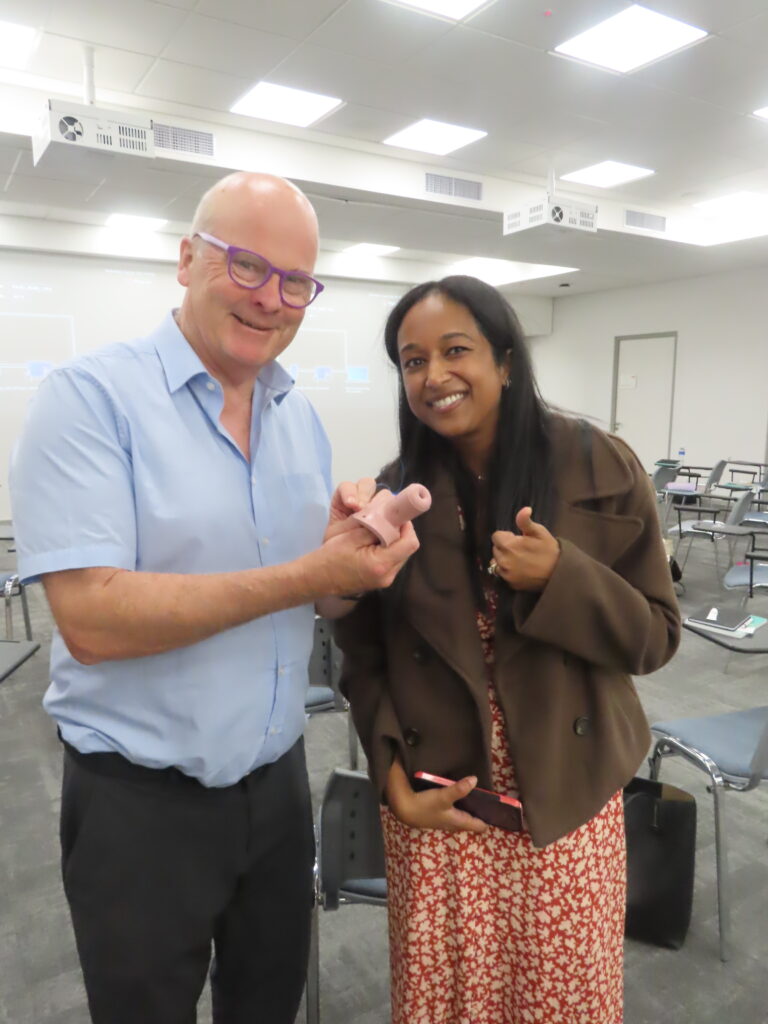 “A simulator and facilities like these would be invaluable because most junior medical officers and registrars are not taught in theatre. Our first experience doing a cerclage is after watching a YouTube video and then experimenting on patients. Far better to experiment on a simulator that is safe and where you are not going to harm anyone. This also builds confidence in what you need to do and allows you to improve your skills. For many of us, our first time of doing a cerclage is on a pregnant patient, which is not ideal”.
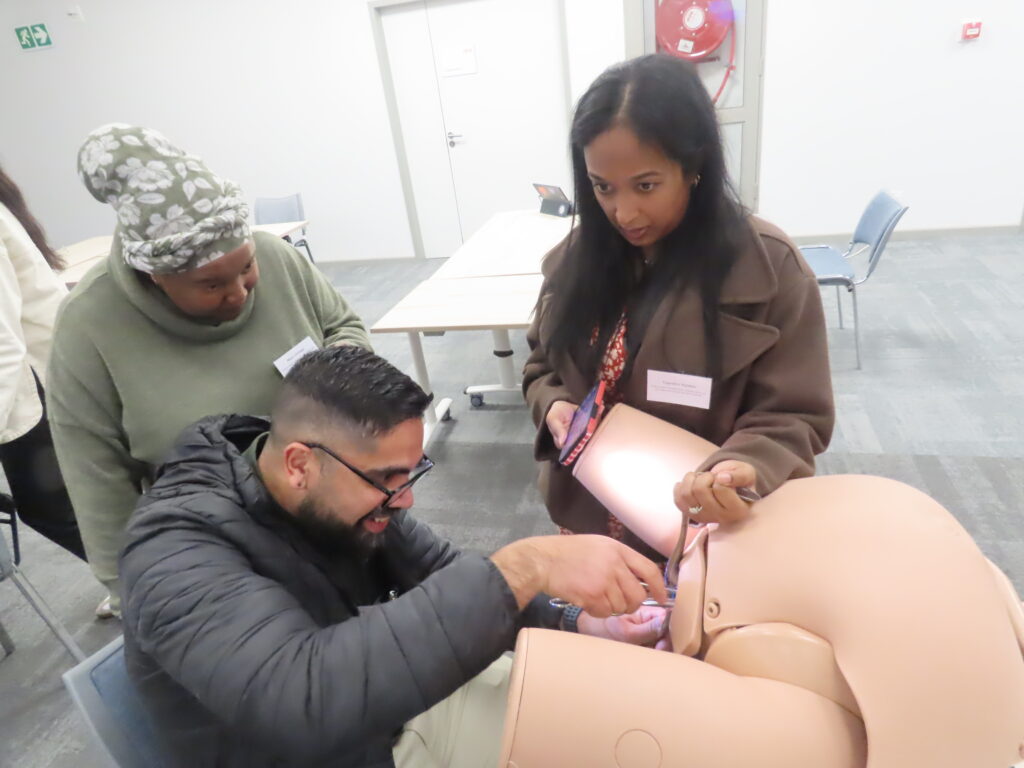 “We don’t see a lot of cerclages being done, and I have never done one before, and through this practical workshop, I learned what to do. Having a chance to talk to fellow colleagues and ask questions of senior experts helped me to understand better. I believe I will go back to Durban, feeling much more confident and empowered. I am very grateful for this experience”.
“This is an amazing opportunity to learn a new skill. I wouldn’t want my first time of doing a cerclage to be on a pregnant woman with a precious pregnancy. Working with the simulator has made this a real possibility for me”.
The Call for Funding and Rural Outreach
While simulation training has proven effective, access remains limited. Rural hospitals and clinics, where the burden of preterm birth is often greatest, lack opportunities for hands-on training. Roadshows bringing simulation models and expert-led workshops to these areas are urgently needed. Funding is critical to scale these initiatives, ensuring that frontline clinicians are equipped with the skills to deliver life-saving care.
Moving Forward
Cerclage is not a universal solution, but in the right hands and the right patients, it can be transformative. Expanding simulation training and roadshows across South Africa will standardise practice, empower clinicians, and ultimately save lives. As Professor Shennan emphasised, “Most people do well in spite of us. We need to ensure they do well because of us.”