CRIBS Global Conference 2026: Eight Countries.
Innovation, Community, Leadership: Inside the CRIBS Global Conference 2026
8–10 July, King’s College London
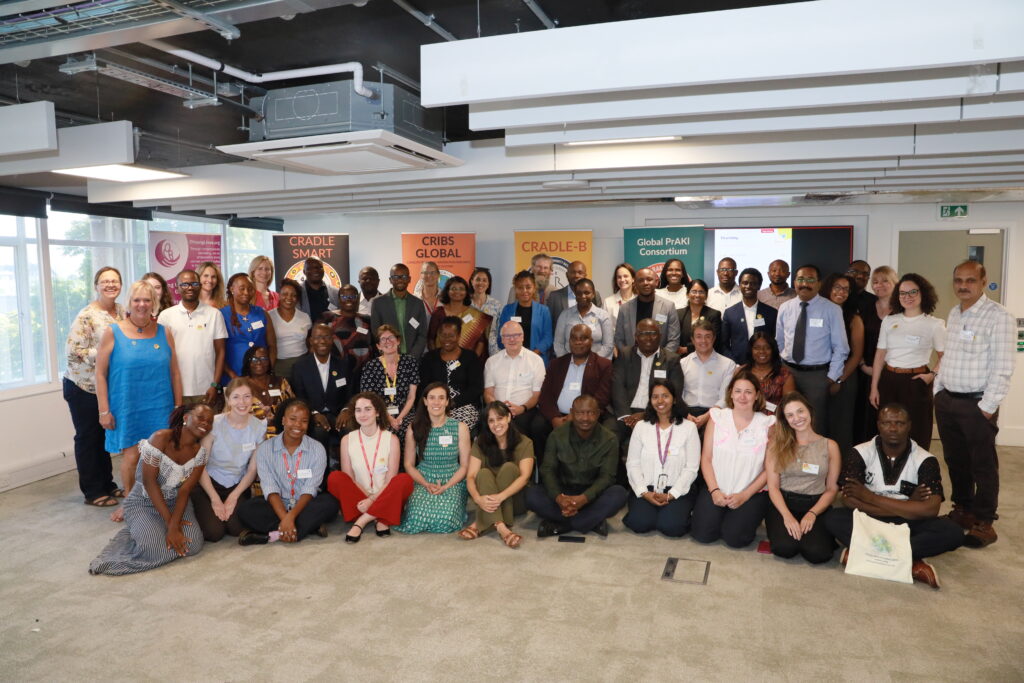
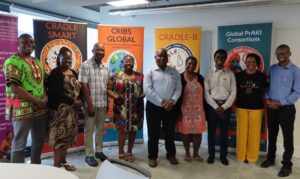
 From 8 to 10 July, researchers, clinicians, funders and community partners from across the CRIBS Global network gathered at King’s College London for three days of reflection, collaboration and planning. Delegates travelled from Sierra Leone, Zambia, South Africa, Uganda, Tanzania, India, Brazil and the UK to join colleagues in London: a rare chance to bring the whole network into one room.
Opening the conference, Professors Kate Bramham and Andrew Shennan set the tone: celebrate what the network has achieved, share ongoing work, plan what comes next, and strengthen the relationships that make CRIBS Global’s model possible.
A network with a track record
 CRIBS Global’s story began with a simple, low-cost blood pressure device and has grown into one of the most productive maternal health research collaborations of its kind. Since 2008, the network has produced 110 publications, including 10% in the Lancet family of journals, and has trained 22 doctoral and higher-degree researchers since 2010, many of whom are now leading research programmes of their own in Zambia and Sierra Leone. And they are rapidly expanding.
The device at the heart of it all, the CRADLE Vital Signs Alert, was born out of a World Health Organisation push for a blood pressure monitor that could work in low-resourced areas. It took eight years of refinement to get it accurate, and a further 5 years to establish its evidence base. It is now used in over 50 countries; one device, deployed in a single Sierra Leone hospital, has now taken over 500,000 readings across three years and is still going strong. The “shock index” the device uniquely measures, which combines blood pressure and pulse into a single warning score, is so effective that the WHO used it to change the global clinical definition of postpartum haemorrhage.
Detection to community-based care
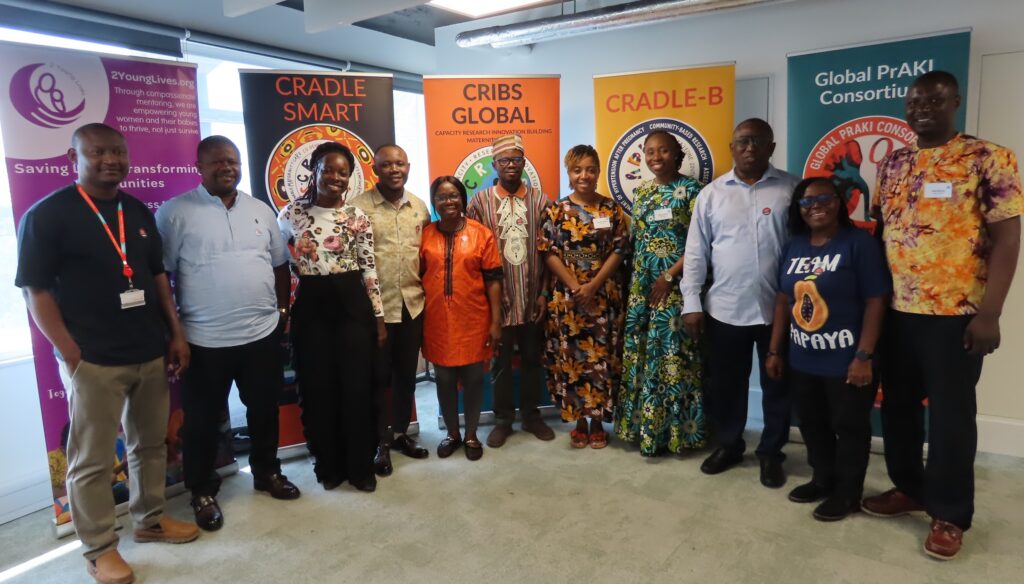
Much of the conference focused on what happens after a woman is identified as at risk, and how care can reach her closer to home. Programmes like CRADLE Smart, CRADLE B and PAPAYA are built around community engagement: mapping how women actually move through pregnancy, who they trust, and what stands in the way of care. In Sierra Leone, partner organisation Welbodi has trained over 2,100 health workers across nearly 600 facilities, helping detect more than 1,700 hypertensive cases early.
A recurring theme was that pregnancy is often recognised in the community long before it reaches the health system, and that women trust people before they trust institutions. Programmes are increasingly designed around that insight, working through trusted community members, local leaders and even football tournaments to reach women and their partners earlier, and pivot towards prevention.
Looking beyond delivery
 The PrAKI Consortium brought attention to a less visible risk: pregnancy-associated acute kidney injury, which affects a significant proportion of high-risk obstetric admissions and can carry long-term cardiovascular consequences for women long after birth. A global survey of over 1,100 respondents has shaped a new four-part programme of work spanning fluid-balance monitoring apps, midwife-led education, a worldwide snapshot study, and shared clinical guidelines developed with international partners.
Reaching the most vulnerable: 2YoungLives
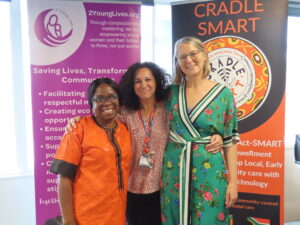 One of the conference’s standout stories was 2YoungLives, a mentoring programme for teenage mothers in Sierra Leone facing poverty, stigma and abandonment. Piloted across six sites with 300 girls, the programme pairs mentoring with practical support: from small business start-up funds to educational bursaries and has been associated with a 48% reduction in perinatal mortality among participants. Many of the girls involved have since returned to education, started businesses, and gone on to mentor others in their own communities.
Capacity building at the core
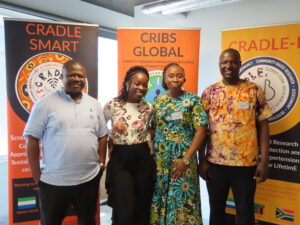 Across every programme, one message was consistent: building local research leadership is not a side effect of CRIBS Global’s work – it is the point. Delegates heard from researchers who had moved from clinical roles into research leadership through the network’s Masters and PhD programmes, several of whom now hold senior positions with partner organisations in Sierra Leone and Zambia.
What’s next?
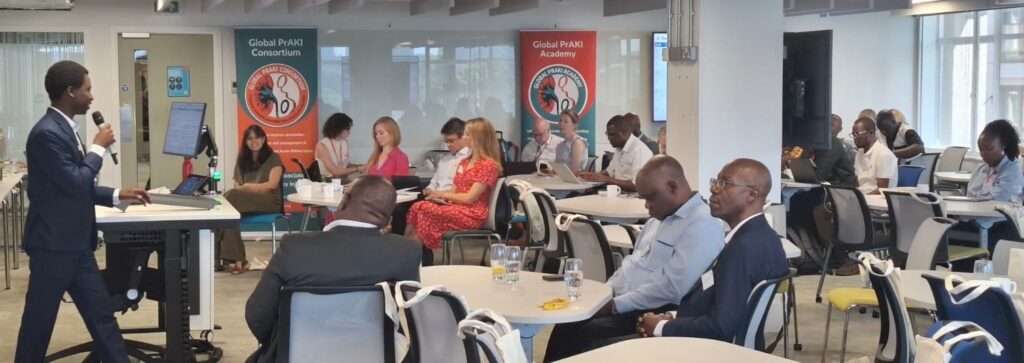 Emerging themes for the years ahead include next-generation point-of-care diagnostics, AI-assisted ultrasound and community engagement tools, wearable technology for continuous monitoring in pregnancy, and genetics research to identify who is at risk before symptoms appear.
Closing the conference, speakers returned to a shared idea: research built in Freetown, Lusaka or Cape Town has as much to teach London as London has to offer in return and the partnerships between sites are, in themselves, the infrastructure worth investing in.